NBA Fourth Quarter Betting: How Late-Game Patterns Create Edge in Live and Pre-Game Markets
 Available in US
- NBA Fourth Quarters and Betting: The Period Where Statistical Patterns Are Strongest and Most Exploitable
- Clutch Performance Data: Separating Real Fourth-Quarter Teams From Regular-Season Mirages
- Foul Trouble and Late-Game Lineup Changes: Information the Bookmaker Has Not Fully Priced
- Pre-Game Fourth-Quarter Betting: When Historical Patterns Create Ante-Post Value
- Late-Game Free Throw Situations: The Market Distortion That Creates Consistent Value
NBA Fourth Quarters and Betting: The Period Where Statistical Patterns Are Strongest and Most Exploitable
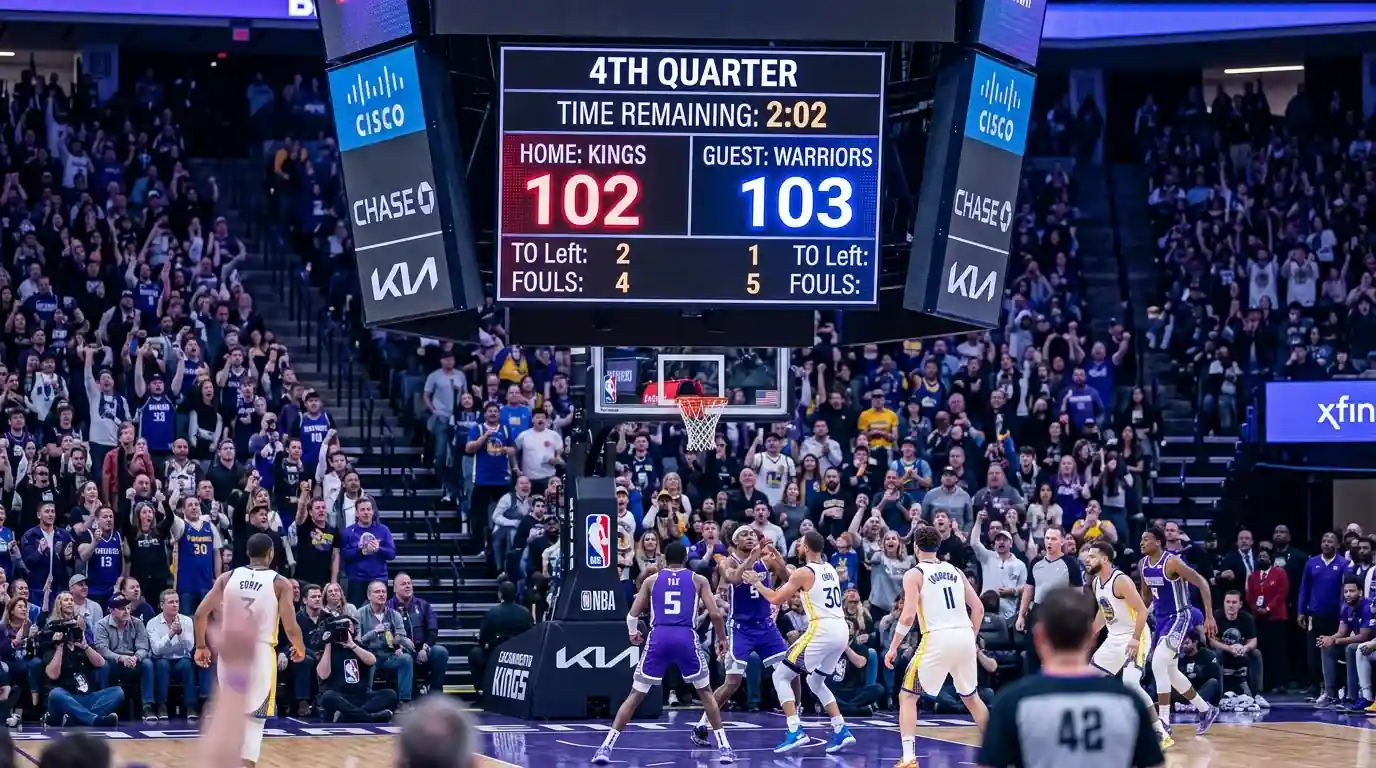
The game within the game — that is how I think about NBA fourth quarter betting. After three quarters, you have 36 minutes of actual performance data sitting right there: pace, efficiency, foul trouble, who is defending whom, and which lineup combinations both coaches trust in tight situations. The fourth quarter is not a fresh start; it is a continuation with that accumulated information advantage, and the live betting lines set at the beginning of the final period rarely incorporate all of it.
Fourth quarter NBA basketball is structurally different from the preceding three periods. Late-game fouling strategies alter possession counts. Star players see elevated minutes and usage while bench rotations disappear. Intentional fouls create free throw markets that distort the pace. And the psychological pressure of close games produces patterns in decision-making — late-game fouling habits, time-out usage, shot selection — that are measurable, team-specific, and frequently mispriced in the live betting markets during those final 12 minutes.
UK online gambling accounts number around 13.5 million, placing approximately 290 million bets per month across all sports, per Gambling Commission data. A meaningful and growing portion of that activity is NBA live betting — and the fourth quarter, with its compressed timeline and concentrated action, is where the most significant late-game market inefficiencies cluster.
Clutch Performance Data: Separating Real Fourth-Quarter Teams From Regular-Season Mirages
The NBA publishes official “clutch” statistics — performance in games within five points in the final five minutes — as a discrete dataset separate from general game statistics. This clutch data is one of the most under-used public datasets in NBA betting analysis, and its implications for fourth-quarter live betting are direct.
Teams with elite clutch offensive ratings and poor clutch defensive ratings perform very differently in late-game scenarios than their full-game numbers suggest. A team that runs up large early leads on the back of a high-pace offense but has a weak clutch record — they are undisciplined late, turn the ball over, take poor late-game shots — is systematically overpriced in live markets when they hold a five-point third-quarter lead. Their apparent advantage overstates their fourth-quarter probability of winning.
The inverse is equally valuable: teams with elite clutch defensive profiles and disciplined late-game shot selection consistently outperform their general season statistics in the fourth quarter. Backing these teams in live markets when they are trailing slightly at the three-quarter mark — at what often look like attractive odds because the score suggests disadvantage — is one of the highest-EV live NBA betting positions available. The market prices the current score; the clutch data prices the actual late-game quality differential.
Foul Trouble and Late-Game Lineup Changes: Information the Bookmaker Has Not Fully Priced
A star player picking up their fourth foul in the third quarter creates a specific information environment at the start of the fourth. If the game is close and that player’s team needs them on the floor, the coach faces an impossible risk management problem: play the star and risk a fifth foul that removes them from the decisive minutes, or hold them in reserve. This decision is often not reflected in the live fourth-quarter spread until the starting lineups are confirmed.
Tracking foul trouble through the first three quarters, then positioning in the live market at the fourth-quarter tip before lineup confirmations emerge, creates a brief but real information advantage. A team whose primary scorer has four fouls will either play conservatively with that player (reducing their offensive output and effectiveness) or risk a fifth foul disqualification. Either scenario generally reduces that team’s expected performance below what the third-quarter line implied.
More subtle is the cumulative foul pattern on defensive specialists. A team whose primary perimeter defender has accumulated four fouls cannot defend aggressively in the fourth quarter without risk. Their opponent’s best offensive player recognises this and will attack directly. Spotting this defensive vulnerability in the live fourth-quarter market — backing the team whose opponent is defensively compromised by foul trouble — is a consistent source of late-game value that most casual live bettors do not systematically track.
Pre-Game Fourth-Quarter Betting: When Historical Patterns Create Ante-Post Value
Not all fourth-quarter betting is live. Some UK bookmakers offer pre-game fourth-quarter result markets — which team wins the final period, what is the fourth-quarter total — and these ante-post markets carry systematic mispricing that historical data can identify before the game begins.
Teams with strong fourth-quarter net ratings relative to their overall net rating — squads that specifically perform better when starters are playing full minutes in close game scenarios — outperform expectations in fourth-quarter period markets more consistently than their overall record implies. A team with a +3.2 overall net rating but a +6.1 clutch net rating will win the fourth quarter at a higher rate than their overall strength suggests, and a bookmaker pricing the fourth-quarter market from general net rating will systematically under-price them in those period markets.
Conversely, teams with strong full-game numbers built on dominant first and second quarter performances but average or below-average clutch performance will be overpriced in fourth-quarter period markets relative to their actual late-game quality. This structural overpricing is most pronounced for teams whose stars carry heavy first-half minutes loads and are managed more conservatively late in the game to preserve long-term health — a load management pattern that is visible in minute distribution data across the season. The interplay between fourth-quarter performance and the rest/scheduling factors that affect late-game player freshness is developed further in the guide on NBA rest days as a betting edge.
Late-Game Free Throw Situations: The Market Distortion That Creates Consistent Value
When a team down two to four points in the final minute resorts to intentional fouling, the game’s statistical environment transforms completely. Possession counts increase, pace accelerates artificially, and scoring output becomes heavily dependent on free throw accuracy rather than offensive execution. These late-game fouling scenarios create live totals markets that are extraordinarily difficult to price accurately in real time.
The opportunity is specific: when a team begins intentional fouling, the live total is repriced based on current scoring and time remaining — but the bookmaker’s model often applies average free throw accuracy assumptions rather than team- or player-specific rates. A team sending a historically poor free throw shooter to the line repeatedly in a close fourth quarter will shoot below the model’s assumed conversion rate, producing fewer points than the updated live total implies. The under in these specific fouling scenarios — with the specific poor shooter being targeted — carries consistent positive value that is not always reflected in the live line.
Where can I find NBA clutch statistics for fourth quarter betting analysis?
The NBA’s official statistics platform publishes a dedicated clutch section under team and player stats, updated after each game. Clutch is defined as games within five points in the final five minutes. Basketball Reference also tracks clutch performance with broader historical context. Both are free to access from the UK. For pre-game fourth-quarter betting, reviewing the current season’s clutch offensive and defensive ratings for both teams takes under three minutes and provides the most relevant late-game quality differential.
Is fourth quarter live betting more or less efficient than pre-game spread betting?
Fourth-quarter live betting markets are generally less efficiently priced than pre-game spread markets for most games. The compressed time window, the volume of information to process simultaneously, and the reactive nature of automated pricing systems create more mispricing opportunities in the live fourth-quarter environment than in carefully calibrated pre-game lines. The trade-off is stream delay risk — UK punters watching on delayed feeds face the execution window challenge described in live betting guides. Having clear pre-game criteria for which fourth-quarter scenarios trigger a live bet minimises the execution lag problem.
Created by the ”nba Bets of the day” editorial team.